Tomatoes in winter: a symbol of an agricultural paradox
Cooking organic tomatoes in December now sounds like a contradiction. Winter tomatoes straight from soilless systems, which supply 70% of our French stalls, seem far removed from the growing environmental convictions.
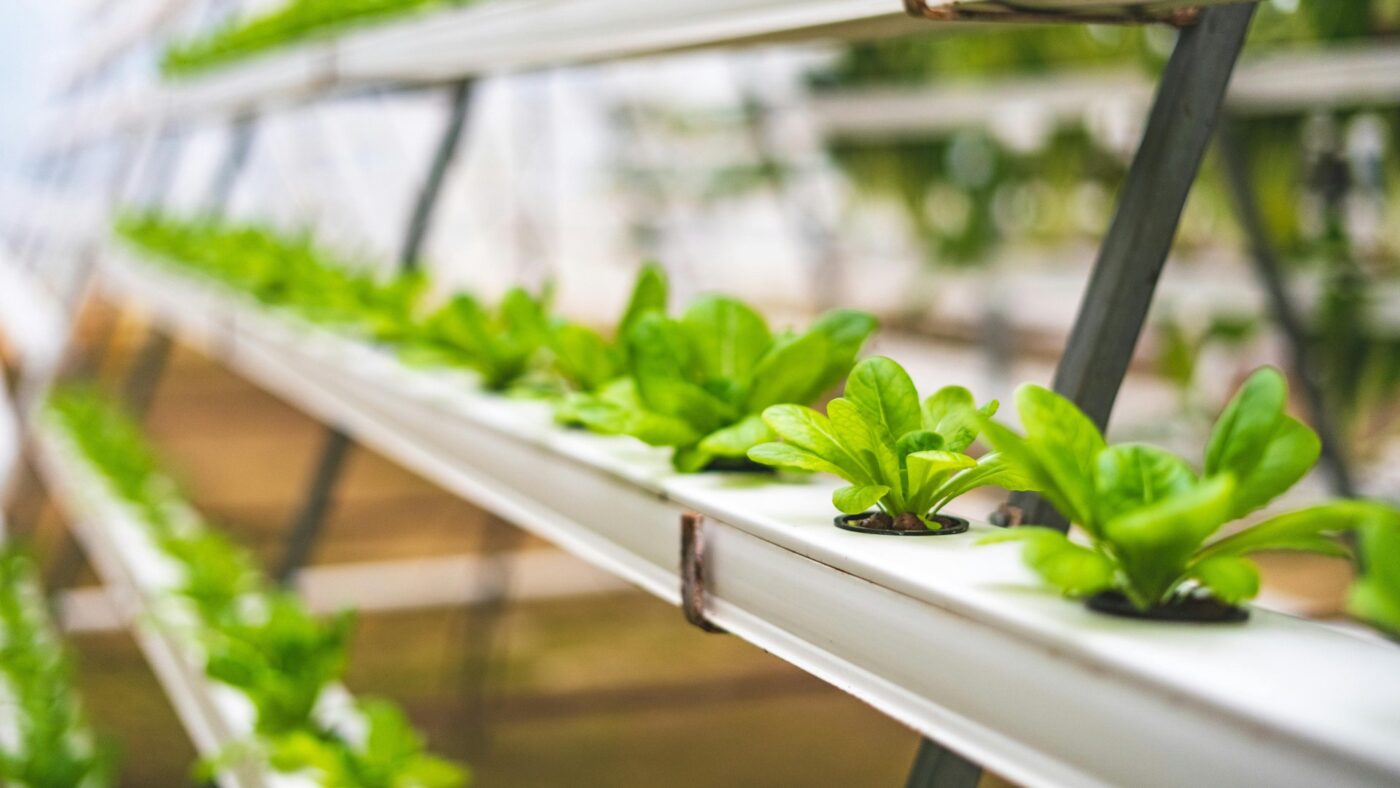
Plants grown on an artificial substrate irrigated by a flow of solution that provides mineral salts and nutrients, sometimes under artificial light, seem to be at the opposite end of sustainable agriculture. Yet, some voices are rising: what if it were possible to care for the environment while producing hydroponically?
Organic farming vs. soilless: a nuanced opposition
Hydroponic agriculture, another name for soil-less agriculture, cannot currently be certified organic in France.
Organic farming is a set of specifications that evokes damp earth, morning dew, and horse manure; it means rejecting synthetic fertilizers and chemical pesticides for a return to the land and nature. There’s no question of discussing plastic tarps. It's hard to refute the benefits of organic farming for ecosystems: it restores the soil's natural fertility, prohibits the use of "all chemicals," and respects the balance of nutrients and microorganisms.
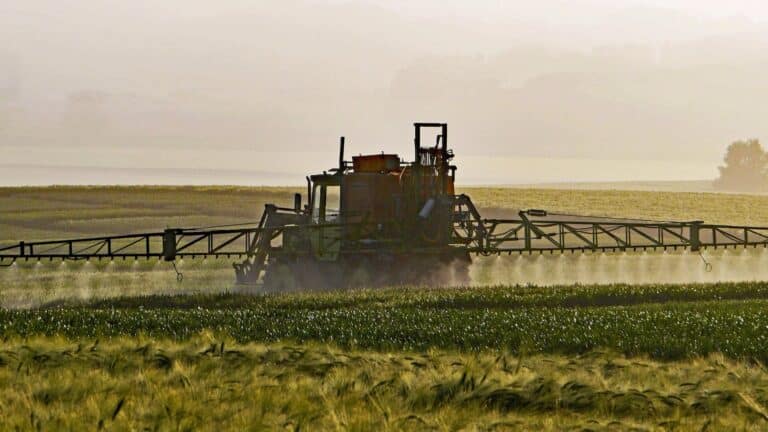
Ultimately, organic farming now appears to be the preferred solution for restoring value to ecosystems, producing 'sustainably', and preserving the environment. However, what is harmful to the environment is not so much the application of synthetic products, but rather the excess: a fertilizer, whether organic or mineral, will have harmful consequences if applied in excessive quantities. It becomes a source of nitrate in water or nitrous oxide in the air. Therefore, opposing organic farming versus soilless production may not be a true issue.
Hydroponics: a more precise and controlled agriculture
What if the concept of sustainability was not incompatible with soilless production? Hydroponics uses less water and generally fewer inputs due to the precision of nutrient solution dosing. Furthermore, creating a production system disconnected from the soil allows for better control of pollutant leaks into ecosystems. The main barrier is related to the chemical and artificial nature of these inputs, which have a negative image among consumers who then turn to organic or "natural" options.
How can we argue in favor of soilless production that is beneficial for environmental preservation? William Texier, founder of the company GHE, which developed a liquid organic fertilizer suitable for hydroponics, is a strong advocate for "bioponics," a method that combines hydroponics and organic farming. This would allow for soilless cultivation without chemical products.
Biopony: producing differently while preserving resources
While there may be economic interest for farmers due to reduced labor and higher yields from soilless crops, consumers can also find benefits. To produce one ton of tomatoes in open fields, 500 square meters are required.
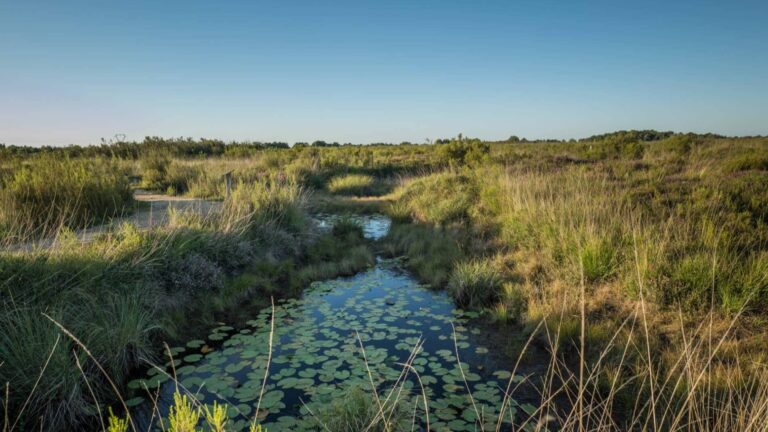
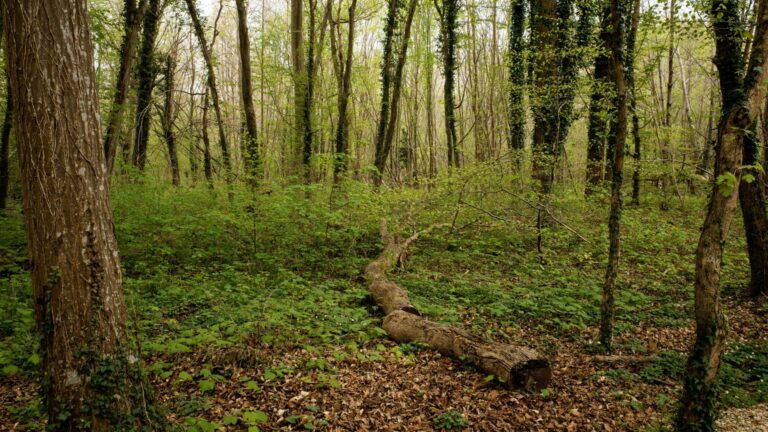
If now this ton of organic tomatoes is produced in bioponics, for example through urban agriculture systems on rooftops, balconies, or even vertical installations like those developed by Columbia University, we gain 500 m² of land. And this "new" land is a real gold mine: doubling agricultural production, creating gardens, returning this space to nature by creating a forest or wetland, the possibilities are numerous.
Bioponics, if it is framed coherently, meaning avoiding soilless cultivation on arable land, offers double benefits: producing "organic" to meet the demand for "responsible consumption," and valuing these "saved" lands that provide ecosystem services: water regulation, carbon storage, and the creation of natural landscapes. Perhaps this is a new way to respond to the desire for a return to nature among tomorrow's eco-citizens...